 Pin this
 My neighbor Elena taught me this in her cramped Roman kitchen during a thunderstorm. The power flickered twice while the pasta boiled, and she just shrugged, saying good cacio e pepe needs nothing but timing and respect for the cheese. I watched her hands move with the confidence of someone who'd made this dish a thousand times, tossing pasta in that battered skillet like she was conducting an orchestra. The smell of toasted pepper filled the tiny space, mixing with rain on the windowsill. That night, I learned that simplicity isn't easy—it's intentional.
I made this for my sister after her first week at a new job, one of those exhausting weeks where she just needed comfort without fuss. We sat on my kitchen counter eating straight from the skillet, twirling forks in silence except for the occasional hum of approval. She looked up mid-bite and said it tasted like a hug, which made me laugh because that's exactly what Elena had said when she first served it to me. Sometimes a dish carries forward not just a recipe, but a feeling.
Ingredients
- Spaghetti or tonnarelli: Tonnarelli is the Roman choice, thicker and more textured, but spaghetti works beautifully and is easier to find, just cook it one minute shy of the package time so it finishes in the pan.
- Pecorino Romano cheese: This sharp, salty sheep's milk cheese is the soul of the dish, buy a wedge and grate it yourself because pre-shredded versions contain anti-caking agents that ruin the creamy emulsion.
- Whole black peppercorns: Toasting them unlocks a floral, almost citrusy warmth that pre-ground pepper simply can't deliver, crack them coarsely just before you start cooking.
- Kosher salt: Used only for the pasta water, it seasons the noodles from within and contributes to the starchy liquid that binds everything together.
- Unsalted butter (optional): Purists skip it, but a small knob adds silkiness and forgiveness if your emulsion feels temperamental, I keep it on hand just in case.
Tired of Takeout? 🥡
Get 10 meals you can make faster than delivery arrives. Seriously.
One email. No spam. Unsubscribe anytime.
Instructions
- Boil the pasta:
- Bring a large pot of water to a rolling boil, salt it generously, then add your spaghetti and cook until just al dente, about one minute less than the package suggests. Before draining, scoop out at least one and a half cups of that cloudy, starchy water—it's your secret ingredient for a glossy sauce.
- Toast the pepper:
- While the pasta bubbles away, add your cracked peppercorns to a dry skillet over medium heat and let them toast for about a minute, shaking the pan gently until the kitchen smells warm and spicy. This step wakes up the pepper and makes it the star it deserves to be.
- Build the base:
- Pour one cup of that reserved pasta water into the skillet with the toasted pepper, then lower the heat. Let it simmer gently, giving the pepper time to infuse the liquid with flavor.
- Combine pasta and water:
- Add the drained pasta directly to the skillet and toss it around, letting the noodles drink in some of that peppery water. The pasta will finish cooking here and start to release even more starch.
- Create the sauce:
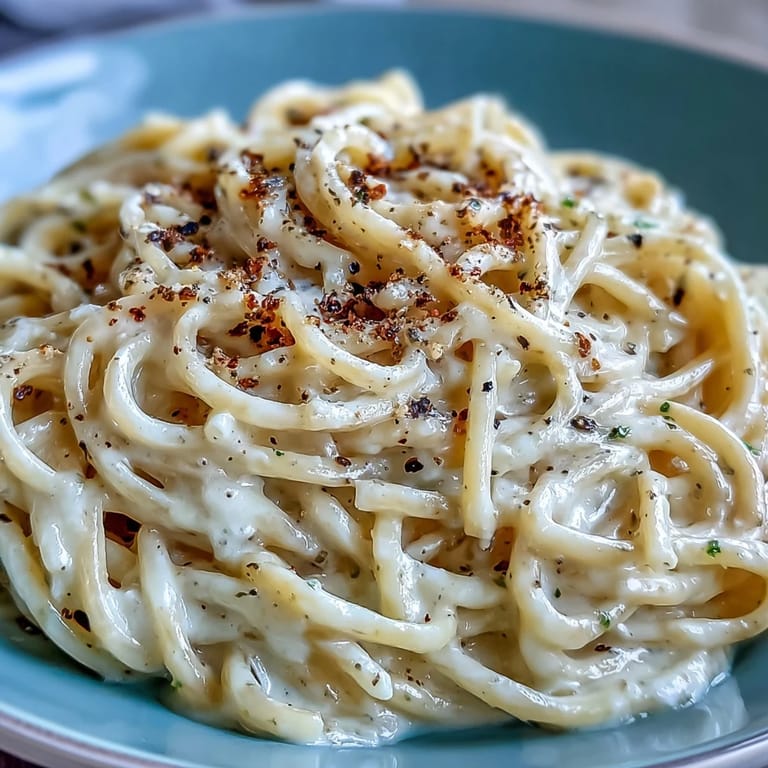
- Pull the skillet off the heat, then sprinkle in the Pecorino Romano a handful at a time, tossing vigorously with tongs as if you're trying to convince the cheese to melt without clumping. Add splashes of reserved pasta water whenever it looks tight or dry, the goal is a creamy, clingy sauce that coats every strand.
- Finish and serve:
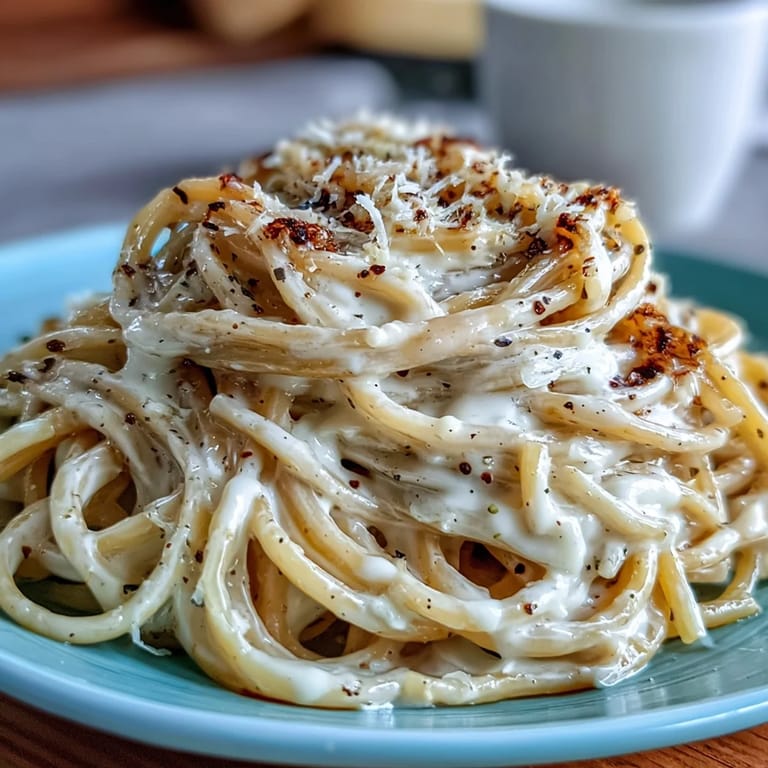
- If you're using butter, toss it in now and stir until it melts into the sauce, adding one last touch of richness. Serve immediately in warm bowls, topped with extra grated Pecorino and a generous crack of fresh pepper.
 Pin this
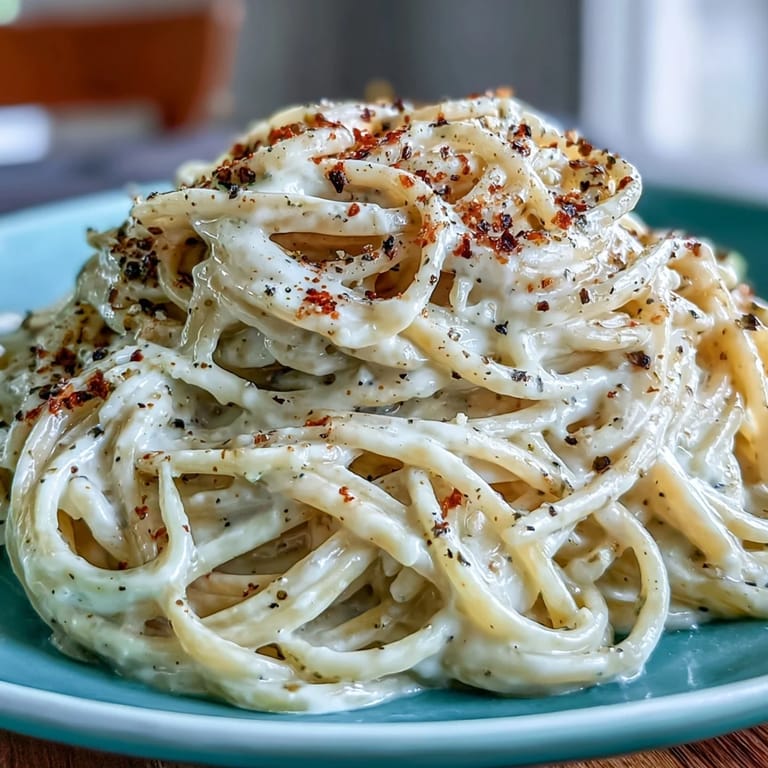
 The first time I got the emulsion right, I actually gasped out loud in my empty kitchen. The sauce clung to the pasta like cream, glossy and smooth, and I understood why Romans have been making this for generations. It wasn't just dinner anymore, it was proof that patience and a little bit of faith in simple ingredients can create something borderline transcendent.
Choosing Your Pasta
Tonnarelli is traditional and worth seeking out if you have access to a good Italian market, its square shape and rough texture grab onto the sauce in a way that feels almost architectural. Spaghetti is a close second and much easier to find, though I've also used bucatini on nights when I wanted a little extra chew. Whatever you choose, make sure it's a shape with enough surface area to carry that peppery, cheesy coating in every bite.
The Cheese Question
Pecorino Romano can be aggressively salty and sharp, which is exactly what makes this dish sing, but if you can only find a milder wedge, taste as you go and adjust. Some people mix in a bit of Parmigiano Reggiano to mellow things out, though purists would shake their heads. I say use what tastes right to you, but whatever you do, grate it fresh because those little bags of pre-shredded stuff contain cellulose that prevents smooth melting.
Serving and Storing
Cacio e pepe is best enjoyed the moment it's made, still steaming in the bowl with the sauce at its silkiest. Leftovers can be saved in the fridge for a day, but reheating requires a gentle hand and a splash of water or milk to bring the sauce back to life. I've eaten it cold straight from the container more than once, and while it's not the same, it still carries that satisfying pepper punch.
- Serve in warmed bowls to keep the pasta from cooling too quickly.
- Pair with a crisp white wine like Frascati or a light sparkling water with lemon.
- Have extra cheese and pepper at the table so everyone can adjust to their taste.
 Pin this
 There's a reason this dish has survived centuries without changing much, it respects the ingredients and rewards anyone willing to pay attention. Make it once, and you'll understand why Romans consider it comfort, celebration, and proof that less really can be more.
Recipe FAQs
- → What makes Cacio e Pepe authentic?
Authentic Cacio e Pepe uses only four ingredients: pasta, Pecorino Romano cheese, black pepper, and pasta water. The magic happens when these simple elements combine to create a creamy, emulsified sauce without cream or oil.
- → Can I substitute Parmesan for Pecorino Romano?
While Parmesan can work in a pinch, Pecorino Romano is essential for authentic flavor. Its sharper, saltier profile and superior melting properties create the signature taste and creamy texture that defines this Roman classic.
- → Why does my sauce become clumpy instead of creamy?
Clumping occurs when cheese is added while the pan is too hot or when insufficient pasta water is used. Always remove from heat before adding cheese, and toss vigorously while gradually adding reserved pasta water to create a smooth emulsion.
- → What pasta shape works best?
Tonnarelli, a square-cut spaghetti, is traditional in Rome. Regular spaghetti is the most common alternative and works beautifully. The long strands provide ideal surface area for the peppery cheese sauce to cling to each strand.
- → How do I toast peppercorns properly?
Toast freshly cracked peppercorns in a dry skillet over medium heat for about one minute until fragrant. This releases aromatic oils and intensifies the pepper flavor, which is central to the dish's bold character.
- → Can I make this ahead of time?
Cacio e Pepe is best enjoyed immediately after preparation. The sauce can separate and the pasta can become gummy when reheated. If necessary, reheat gently with additional pasta water while tossing constantly to re-emulsify.