 Pin this
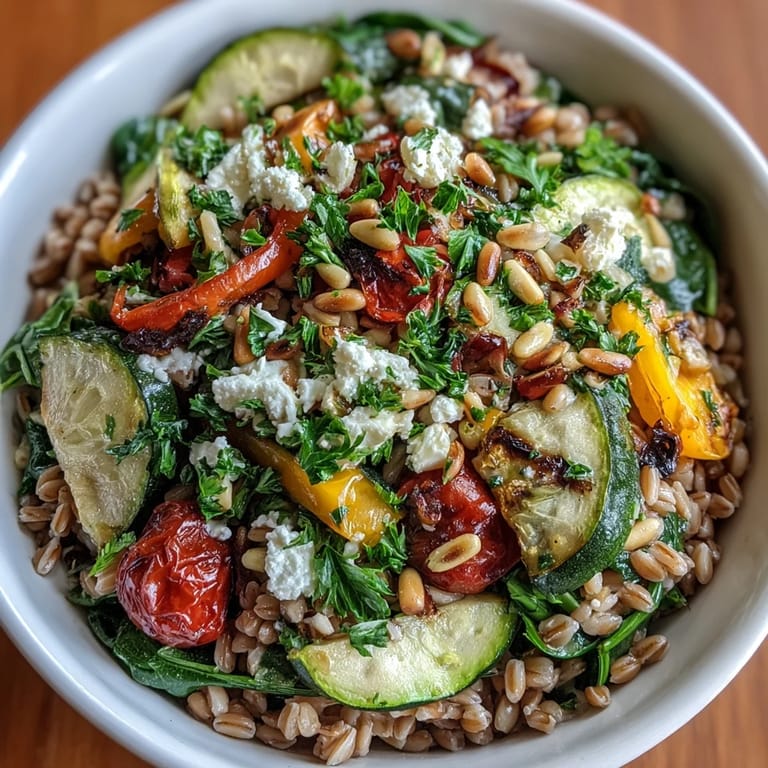
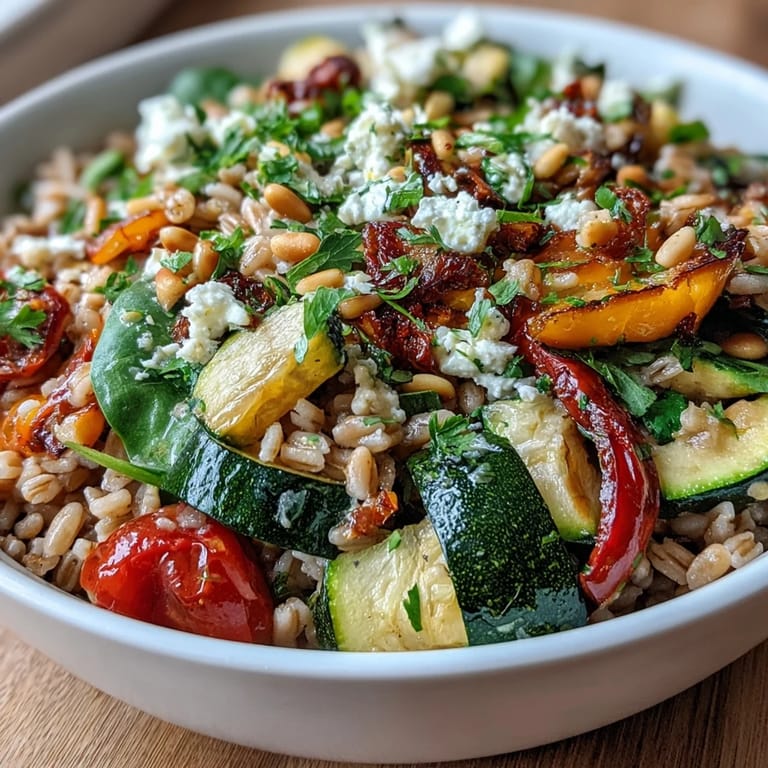
 My neighbor brought over a bowl of this farro pasta one evening, and I watched her toss it together so casually that I thought I'd been missing something obvious all along. The way those colorful vegetables tumbled together with the nutty pasta and bright lemon dressing felt effortless, like she wasn't even thinking about it. What struck me most was how the kitchen smelled while it came together—garlicky and warm, with that sharp citrus note cutting through everything at the end. I asked for the recipe on the spot, and what I've discovered since then is that this bowl somehow tastes even better than it looks, which is saying something.
I made this for a potluck last spring when the farmers market was suddenly overflowing with peppers and cherry tomatoes. Someone asked if it was Mediterranean, and I realized I'd never actually thought about where farro comes from or why it pairs so naturally with these flavors. Watching people go back for thirds, I caught my friend scraping the bottom of her bowl to get the last bits of that tangy dressing, and that's when I knew this wasn't just another pasta dish.
Ingredients
- Farro pasta (250 g): This grain has a nutty, slightly chewy texture that doesn't turn to mush—it's why you actually taste something instead of eating paste.
- Zucchini: Diced small so it softens without disappearing, adding a subtle sweetness that balances the acidity.
- Red and yellow bell peppers: Buy them firm and glossy, because that's when they're crisp enough to stay nice after cooking.
- Cherry tomatoes (150 g): Halved rather than quartered means they release their juice into the pan without turning completely to sauce.
- Baby spinach: Fresh and tender, wilted just enough so it disappears into the warm pasta without becoming bitter.
- Red onion: Sliced thin so it softens quickly and adds a gentle bite rather than crunchy sharpness.
- Garlic (2 cloves): Minced fine so it scatters through the oil and infuses everything rather than sitting in chunks.
- Extra virgin olive oil (60 ml plus 2 tbsp for cooking): The good stuff in the dressing matters—it's what makes this taste like you actually care.
- Lemon juice: Freshly squeezed, because bottled tastes like you forgot this step at the last minute.
- Dried oregano: One teaspoon is enough to make it taste Mediterranean without tasting like a pizza seasoning packet.
- Sea salt and black pepper: Don't skip the fresh grind on the pepper—it changes everything.
- Feta cheese (60 g): Crumbled right before serving so it doesn't get lost in the warmth of the pasta.
- Fresh parsley and toasted pine nuts: Optional but they turn this from a simple lunch into something you'd order at a restaurant.
Tired of Takeout? 🥡
Get 10 meals you can make faster than delivery arrives. Seriously.
One email. No spam. Unsubscribe anytime.
Instructions
- Get your water boiling and your mise en place ready:
- Fill a large pot with salted water—it should taste like the sea—and bring it to a rolling boil while you chop everything else. This way nothing sits around getting oxidized and brown before it hits the pan.
- Cook the farro pasta to just tender:
- Follow the package instructions and pull it out when it still has a tiny bit of chew, not soft all the way through. Drain it and set it aside in a bowl where it won't stick together.
- Build your aromatics base:
- Heat 2 tablespoons of olive oil in a large skillet over medium heat and add your sliced red onion and minced garlic. Let them soften and smell wonderful for about 2 minutes—this is where the flavor foundation starts.
- Add the vegetables and let them soften:
- Toss in your diced zucchini, both peppers, and the cherry tomatoes, and let them cook for 6 to 8 minutes until they're tender but still have some color and structure. You're not trying to make vegetable soup here, just soften things enough that they taste cooked.
- Wilt in the spinach at the last second:
- Stir in the baby spinach and let it surrender to the heat for just a minute or two. Turn off the heat so everything doesn't keep cooking.
- Whisk your dressing until it's balanced:
- In a small bowl, combine the remaining olive oil, fresh lemon juice, oregano, salt, and pepper. Taste it straight from the whisk—it should be bright and a little sharp, because it's going to mellow out once it hits the warm pasta.
- Bring everything together in one big bowl:
- Add your cooked farro pasta to the vegetables, pour the dressing over top, and toss everything gently so every piece gets coated. The warm pasta will absorb the dressing and everything becomes one cohesive thing.
- Plate it and finish it properly:
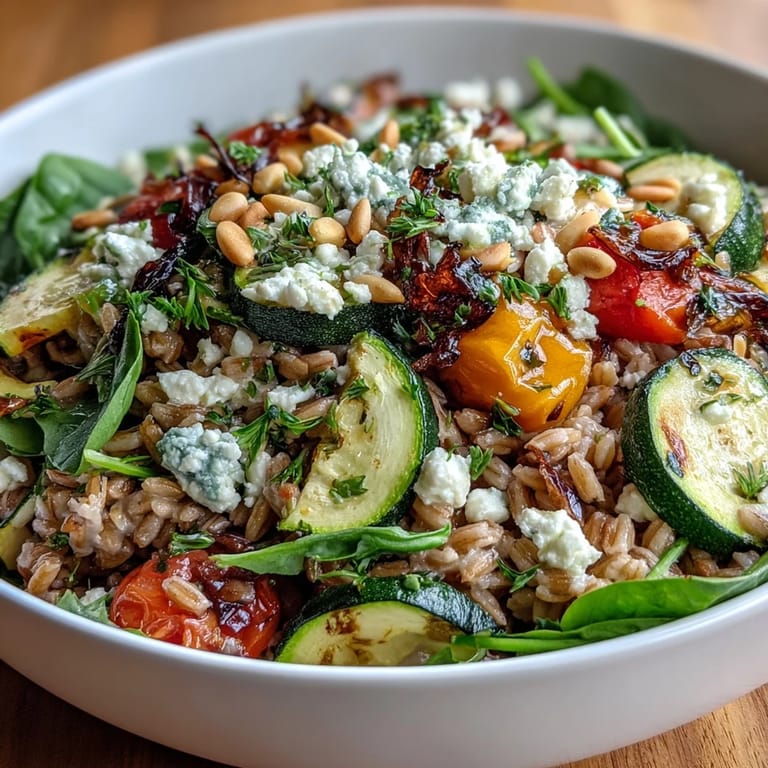
- Divide among bowls and top with crumbled feta, scattered parsley, and toasted pine nuts if you have them. Serve it warm while the pasta is still releasing a little steam, or let it cool to room temperature if that's what your day calls for.
 Pin this
 My daughter asked what made this different from just throwing pasta and vegetables together, and I realized it was the moment I tossed everything with the dressing and watched the colors get brighter somehow, not duller. That small gesture of care—making something from scratch instead of opening jars—turned an ordinary lunch into something worth remembering.
Why This Works as Both Warm and Cold
The first time I made this, I served it warm and watched it disappear in minutes. Three days later, I had leftovers in the fridge and grabbed a bowl cold while I was rushing out the door, and it was almost better that way—the flavors had melded overnight and the pasta had absorbed all that lemon-herb goodness. It's one of those rare dishes that doesn't depend on heat to taste good, which means you can make it on Sunday and eat it throughout the week without feeling like you're eating reheated food.
The Secret to Vegetables That Don't Turn to Mush
Most people overcook their vegetables in pasta dishes because they're thinking about the pasta needing time to cook, so everything else gets aggressively soft. The trick here is cooking your vegetables separately in the skillet while the pasta is doing its own thing, so you have complete control over how tender things become. Once the pasta and vegetables actually meet in that final toss with the dressing, nothing keeps cooking—it all just comes together and stays exactly how you want it.
Making This Dish Your Own
What I love most about this bowl is that it's a framework rather than a rigid prescription. I've made it with grilled chicken folded in for nights when my partner needed more protein, and I've made it completely vegan by skipping the feta and adding white beans instead. The dressing is so bright and adaptable that it can carry whatever vegetables you have on hand—in winter I've used roasted butternut squash and kale, and it worked just as well as the summer version.
- Toss in cooked chickpeas or white beans if you want something more substantial without cooking meat.
- Substitute any pasta shape or grain—whole wheat works beautifully, or even quinoa if you're going that direction.
- Add a grilled protein on top or stirred in, because this dressing is generous enough to carry whatever you want to pair with it.
 Pin this
 This bowl taught me that the best dishes aren't the ones that require fancy ingredients or complicated techniques—they're the ones where every element actually matters and nothing is there by accident. Once you make this, you'll understand why my neighbor tosses it together so casually; it's become muscle memory because it works every single time.
Recipe FAQs
- → Can I make this ahead of time?
Yes, this dish actually improves after sitting. The flavors meld beautifully, making it perfect for meal prep. Store in an airtight container for up to 4 days.
- → What can I use instead of farro pasta?
Whole farro, whole wheat pasta, quinoa, or even barley work well as substitutes. Adjust cooking times accordingly.
- → Is this served warm or cold?
Both! It's delicious warm when freshly made, but also excellent cold as a hearty grain salad for lunches or picnics.
- → How do I make this vegan?
Simply omit the feta cheese or use a plant-based feta alternative. The rest of the ingredients are naturally vegan-friendly.
- → Can I add protein to this bowl?
Absolutely. Grilled chicken, chickpeas, white beans, or even shrimp would complement the Mediterranean flavors perfectly.
- → What vegetables work best in this?
Zucchini, bell peppers, and cherry tomatoes are ideal, but eggplant, artichokes, or roasted red peppers also work wonderfully.