 Pin this
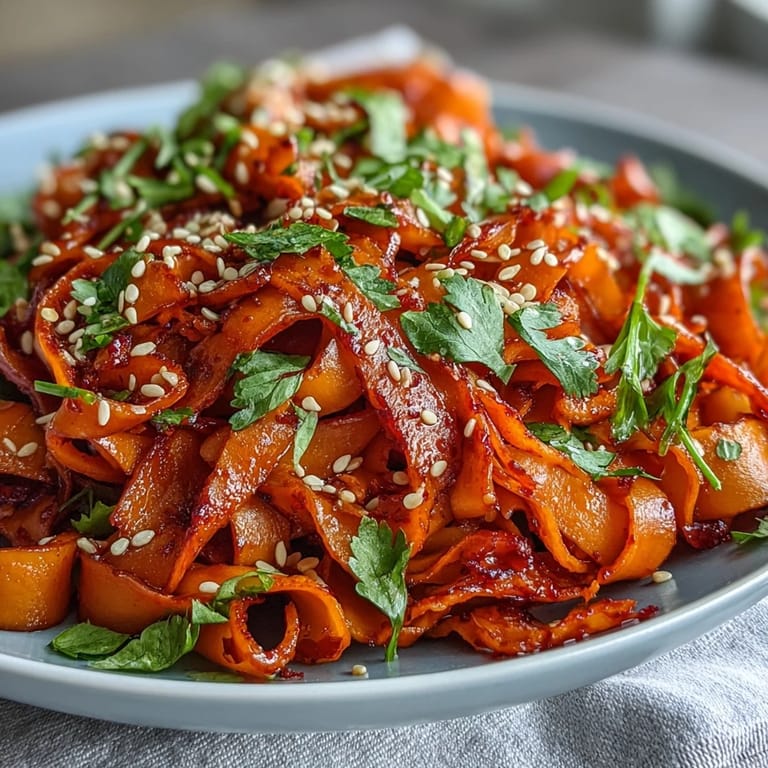
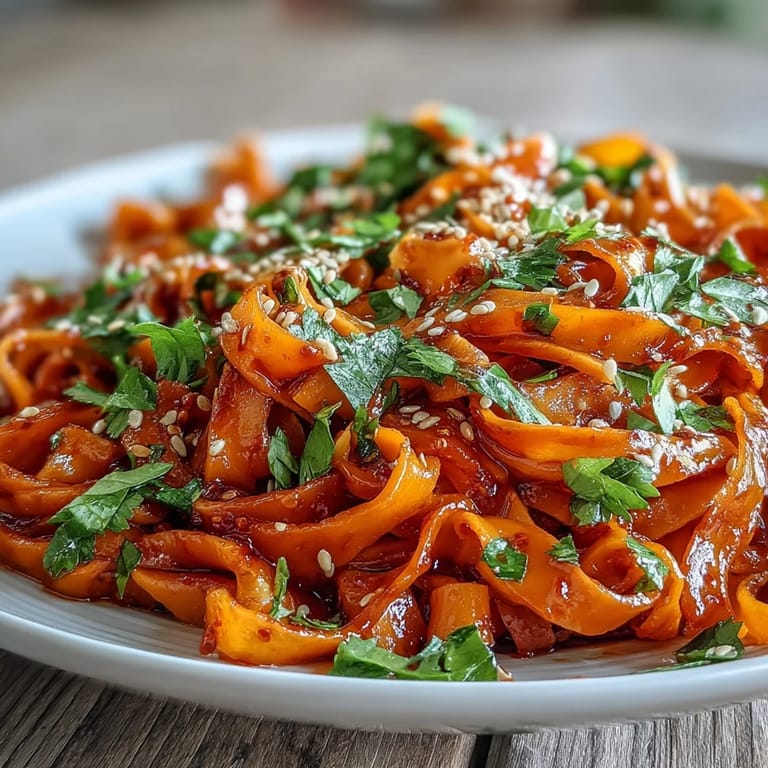
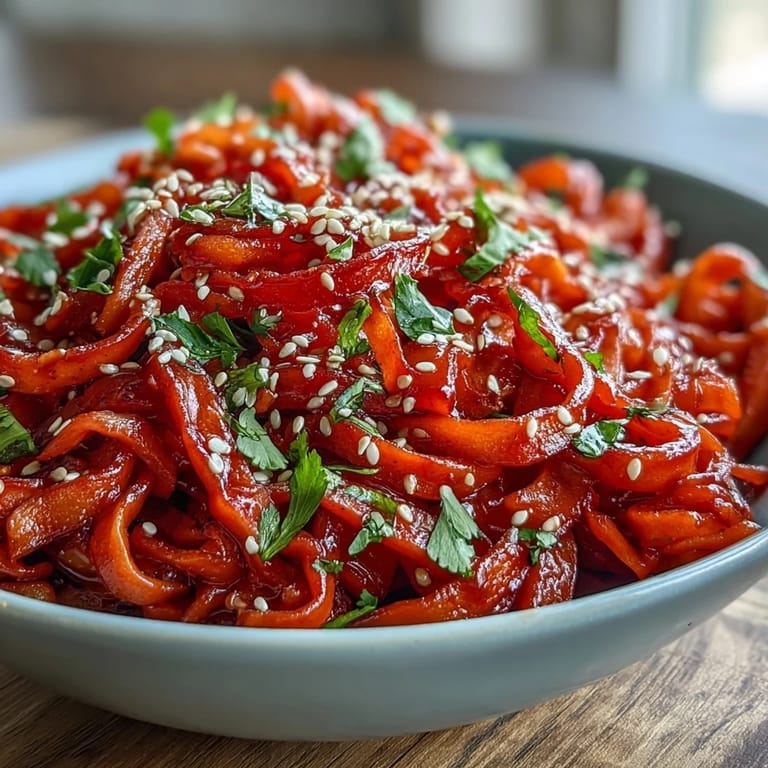
 My neighbor handed me a swede from her garden one rainy afternoon, and I stared at it like she'd given me a puzzle. I'd only ever boiled the thing into mash, but that day I was craving something bright and spicy. I had gochujang in the fridge and rice noodles in the cupboard, so I sliced the swede into ribbons with my vegetable peeler and roasted them until they turned sweet and golden. The kitchen smelled like caramel and sesame, and when I tossed everything together, it tasted like the kind of meal that makes you forget it's Wednesday.
I made this for a small dinner party where half the guests claimed they didn't like swede. By the end of the night, they were scraping their bowls and asking for the recipe. One friend said it reminded her of japchae but earthier, and another just kept saying it was addictive. I think it was the balance of sweet maple syrup, salty soy, and that deep fermented heat from the gochujang that won them over. Now every time I roast swede, someone asks if I'm making those noodles again.
Ingredients
- Swede (rutabaga): Choose a firm, heavy one without soft spots, and use a peeler or mandoline to get thin, even ribbons that roast beautifully and caramelize at the edges.
- Rice noodles: Dried rice noodles are ideal here because they soak up the dressing without getting mushy, just follow the package timing and rinse them well to stop the cooking.
- Gochujang: This Korean chili paste brings fermented depth and a gentle heat that builds slowly, look for it in the Asian aisle and start with less if you're sensitive to spice.
- Maple syrup: It balances the heat and saltiness with a natural sweetness that doesn't taste cloying, honey works too but maple has a rounder flavor.
- Toasted sesame oil: A little goes a long way, this is the ingredient that makes everything smell like a proper Asian kitchen.
- Spring onions: They add a sharp, fresh bite that cuts through the richness of the dressing.
- Sesame seeds: Toast them yourself in a dry pan for a minute until they smell nutty, it makes all the difference.
Tired of Takeout? 🥡
Get 10 meals you can make faster than delivery arrives. Seriously.
One email. No spam. Unsubscribe anytime.
Instructions
- Roast the swede ribbons:
- Preheat your oven to 220°C (425°F) and toss the swede ribbons with vegetable oil, salt, and pepper until they're lightly coated. Spread them in a single layer on a baking sheet and roast for 25 to 30 minutes, flipping halfway through, until the edges turn golden and the ribbons are tender with a slight chew.
- Cook the noodles:
- While the swede roasts, cook the rice noodles according to the package instructions, then drain and rinse them under cold water to stop them sticking together. Set them aside in a large bowl.
- Make the gochujang dressing:
- In a small bowl, whisk together the gochujang, soy sauce, maple syrup, rice vinegar, sesame oil, grated garlic, grated ginger, and chili flakes if using. Add water a tablespoon at a time until the dressing is pourable but still clings to a spoon.
- Toss everything together:
- Add the roasted swede, spring onions, carrot, and bean sprouts to the bowl with the noodles, then pour over the gochujang dressing and toss gently with tongs until everything is evenly coated and glossy. Taste and adjust with more soy sauce or maple syrup if needed.
- Serve and garnish:
- Divide the noodles among bowls and scatter over the toasted sesame seeds and fresh cilantro. Serve immediately while the swede is still warm and the noodles are slippery with dressing.
 Pin this
 The first time I served this to my partner, he was skeptical about swede being the star of dinner. But halfway through his bowl, he paused and said it tasted like comfort food from a country we'd never been to. That's the thing about this dish, it's familiar and surprising at the same time, and it makes you feel like you've just discovered something worth keeping.
Choosing and Prepping Your Swede
A good swede should feel heavy for its size and have smooth, unblemished skin. When you peel it, the flesh should be pale yellow and firm, not spongy or dry. I like to cut off the top and bottom first, then stand it flat and peel downward in long strokes with a sharp peeler. For ribbons, a Y-shaped peeler works perfectly, or use a mandoline set to about 3mm if you want them all the same thickness.
Adjusting the Heat Level
Gochujang varies wildly in heat depending on the brand, so taste a tiny bit before you commit to the full amount in the dressing. If you want more warmth, add the chili flakes or a drizzle of chili oil at the end. If you want less, cut the gochujang down to two tablespoons and boost the maple syrup slightly. I've made this for friends who can't handle any heat at all, and I just swap in a tablespoon of miso paste and a pinch of smoked paprika for a savory, milder version.
Make It a Complete Meal
This dish is hearty on its own, but sometimes I'll pan-fry cubes of firm tofu in a little sesame oil until they're crispy and golden, then toss them in at the end. Edamame beans work beautifully too, just blanch them for a few minutes and stir them through. If you want crunch, add chopped peanuts or cashews along with the sesame seeds.
- Serve with a side of quick-pickled cucumber to cut through the richness.
- Leftovers keep well in the fridge for up to two days and taste great cold or gently reheated.
- Double the dressing recipe and keep extra in a jar for drizzling over roasted vegetables or grain bowls.
 Pin this
 This recipe taught me that swede doesn't have to be boring, it just needs a little heat and a lot of love. I hope it becomes one of those dishes you turn to when you want something satisfying, colorful, and just different enough to feel special.
Recipe FAQs
- → Can I use a different vegetable instead of swede?
Yes, you can substitute butternut squash, sweet potato, or even zucchini ribbons. Adjust roasting time based on the vegetable's density—softer vegetables may need only 15-20 minutes.
- → How do I make this dish spicier?
Increase the gochujang to 4 tablespoons, add extra chili flakes, or incorporate fresh sliced red chilies. You can also drizzle with chili oil before serving for an extra kick.
- → Can I prepare components ahead of time?
Absolutely. Roast the swede ribbons and prepare the gochujang dressing up to 2 days in advance. Store separately in the fridge and assemble with freshly cooked noodles when ready to serve.
- → What can I use instead of rice noodles?
Try soba noodles, udon, or even spiralized zucchini for a low-carb option. Wheat-based noodles work well too, just adjust cooking times according to package instructions.
- → Is gochujang gluten-free?
Not always. Traditional gochujang may contain wheat or barley. Check labels carefully and look for certified gluten-free brands if needed. Pair with tamari instead of regular soy sauce for a completely gluten-free dish.
- → How do I store leftovers?
Store in an airtight container in the refrigerator for up to 3 days. The noodles may absorb some dressing, so you might want to prepare a small extra batch of sauce to refresh the dish when reheating.