 Pin this
 My sister called me in a panic the morning of her birthday party—the bakery had mixed up her order, and she needed a dessert for thirty people by evening. I'd never made a sheet cake before, but something about the challenge felt right, so I threw together this lemon cake with a homemade curd filling while she paced the kitchen. By the time the first slice came out, golden and tender with that bright lemon tang, she stopped worrying entirely. That cake became the unexpected centerpiece of her spring garden party, and honestly, it's been my go-to ever since for any celebration that needs a little sunshine on a plate.
There's a moment I'll never forget: my nephew took one bite and his whole face lit up like he'd never tasted lemon before. He was maybe seven, and he grabbed a fork to dig through that fluffy frosting straight to the curd layer underneath, completely ignoring the plate. His mom laughed so hard she nearly dropped hers, and that's when I realized this cake does something special—it makes people genuinely excited about dessert, not just polite about it.
Ingredients
- All-purpose flour (2 ½ cups): This is the foundation that keeps the cake tender but sturdy enough to slice cleanly through two layers without crumbling.
- Unsalted butter (1 cup): Softened butter creams beautifully and gives you control over the salt content—I learned the hard way that salted butter can throw off the balance with all that bright lemon.
- Granulated sugar (2 cups): This sweetens the cake properly while the lemon zest adds that floral note without making it candy-like.
- Room temperature eggs (4 large): Cold eggs don't incorporate smoothly, so I always pull mine out about an hour before mixing—it makes a noticeable difference in crumb texture.
- Lemon zest (1 from cake, 2 for curd): Use a microplane for fine, even zest that distributes throughout instead of chewy bits that catch between your teeth.
- Fresh lemon juice (⅓ cup): Never use bottled here—the real juice is what makes the curd taste bright and alive instead of medicinal.
- Heavy cream (2 cups): Keep it genuinely cold from the fridge, or whip it for five minutes and suddenly you have sweet, fluffy clouds on top.
- Egg yolks (4 for curd): These thicken the curd into that silky, spreadable consistency that feels fancy but is honestly just science.
Tired of Takeout? 🥡
Get 10 meals you can make faster than delivery arrives. Seriously.
One email. No spam. Unsubscribe anytime.
Instructions
- Prep your oven and pan:
- Heat to 350°F and line a 9x13-inch sheet pan with parchment—don't skip this step, or you'll spend ten minutes chipping dried cake edges off metal. Grease the parchment too, just to be safe.
- Whisk your dry ingredients:
- Combine flour, baking powder, baking soda, and salt in a medium bowl and give it a gentle mix so the leavening agents are evenly distributed. This prevents dense pockets in your finished cake.
- Cream butter and sugar:
- Beat them together for three to four minutes until the mixture looks pale and fluffy like clouds—this is where you're aerating the batter. Stop and scrape the bowl halfway through so everything incorporates evenly.
- Add eggs one at a time:
- Beat well after each egg so it emulsifies properly into the butter mixture; rushing this step makes the batter break and greasy. The mixture should look smooth and glossy before you add the next egg.
- Mix in vanilla and lemon zest:
- These go in after the eggs to make sure they're evenly distributed throughout the batter without getting beaten to death.
- Alternate dry and wet ingredients:
- Add the flour mixture in three parts, alternating with the milk—this is called the creaming method, and it keeps your cake tender. Always start and end with dry ingredients to avoid overmixing.
- Bake the cake:
- Pour into your prepared pan and smooth the top, then bake for 28 to 32 minutes until a toothpick comes out clean with maybe a crumb or two. The cake should spring back when you lightly touch the center.
- Make the lemon curd while it bakes:
- In a small saucepan, whisk egg yolks, sugar, lemon juice, and zest together, then cook over medium-low heat while stirring constantly—don't rush this or you'll scramble the eggs. When it thickens enough to coat the back of a spoon, remove from heat and whisk in butter until glossy.
- Cool the curd completely:
- Press plastic wrap directly onto the surface so a skin doesn't form, then refrigerate until it's thick and spreadable. This takes about an hour, or longer if you're not in a hurry.
- Whip the cream frosting:
- Use cold cream and an electric mixer, beating until stiff peaks form—go just past soft peaks but stop before it turns grainy. Add powdered sugar and vanilla near the end so they don't deflate all your hard work.
- Level and fill the cake:
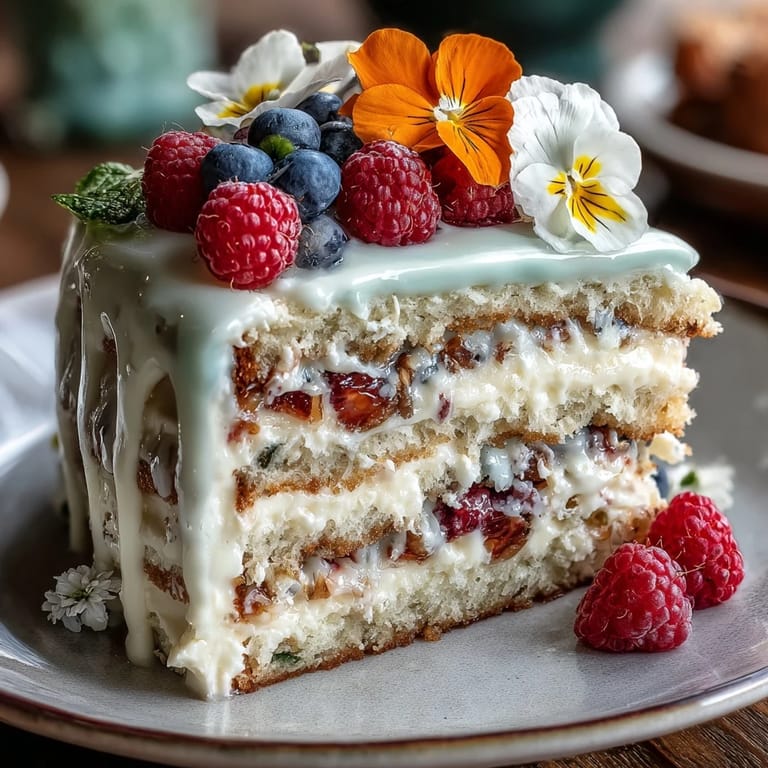
- Once cooled, carefully slice the cake horizontally using a serrated knife and a gentle sawing motion; a cake leveler makes this easier if you have one. Spread chilled lemon curd on the bottom layer, then replace the top carefully.
- Frost the whole thing:
- Spread whipped cream frosting evenly over the top and sides using an offset spatula or regular knife dipped in warm water. Keep the cake cold while you work so the frosting stays fluffy.
- Decorate and chill:
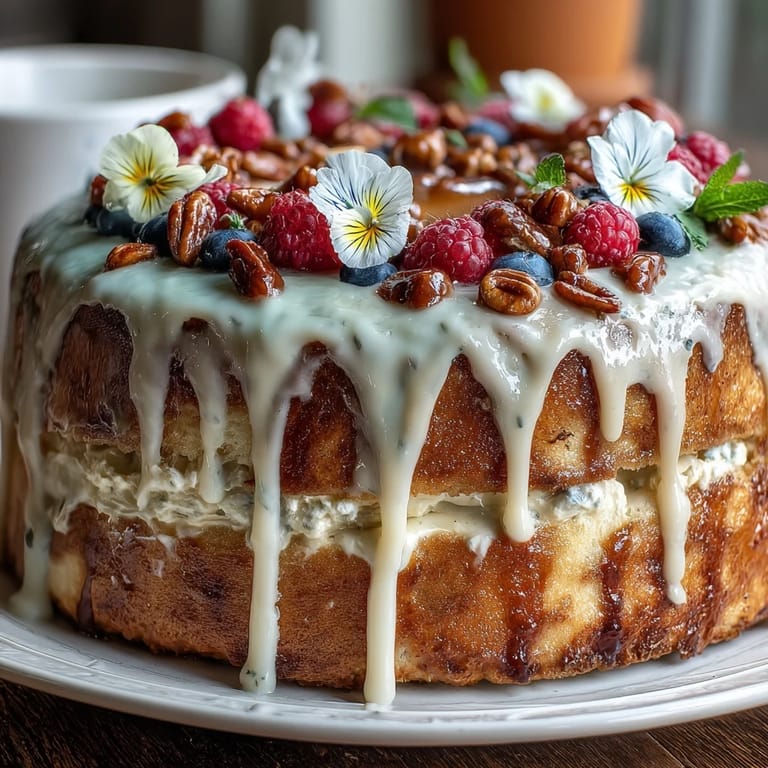
- Top with fresh berries, edible flowers, or lemon zest curls for color and flavor, then refrigerate at least one hour before slicing. This resting time helps everything set so you get clean, beautiful slices instead of messy ones.
 Pin this
 I made this cake for my neighbor's spring book club last year, and it somehow became the reason they invite me to everything now. One of the women said it tasted like springtime in her mouth, and I've never forgotten that phrase—it's exactly what I was going for but couldn't have said it myself.
When to Make Each Component
The beauty of this cake is that you can spread out the work across two days if you want. I usually make the lemon curd the night before since it actually tastes better cold and gives me one less thing to rush through the morning of the party. The cake layers can bake while the curd chills, and the whipped cream frosting literally takes five minutes if your cream stays cold. If you're assembling everything the same day, give yourself at least three hours total—mostly waiting time while things cool, which honestly feels luxurious compared to scrambling at the last minute.
Flavor Variations That Work
I tried making this with lime instead of lemon once, and it was incredible for a summer gathering—more tropical, a little less floral. You could also brush the cake layers with a simple lemon syrup before assembling (just boil equal parts lemon juice and sugar, then cool it slightly) if you want even more zing. For a darker, earthier twist, I've added a teaspoon of lavender extract to the frosting, which sounds weird but somehow tastes like a fancy lemon-lavender cookie. My best friend made it with white chocolate whipped cream frosting and fresh raspberries, and it became her signature dessert within a month.
Storage and Make-Ahead Secrets
This cake actually gets better the day after you make it, as long as you keep it refrigerated—the flavors mellow and blend together like they've been getting to know each other. You can make the cake and curd two days ahead, then assemble and frost it the morning of your event. Whipped cream frosting doesn't freeze well because it loses all that air, but you can keep the assembled cake chilled for up to 24 hours before serving. Just cover it loosely with plastic wrap so the frosting doesn't dry out but the plastic doesn't mash your berries.
- Keep leftover cake in an airtight container in the fridge for up to three days, though honestly there's usually nothing left by then.
- The lemon curd keeps on its own for up to two weeks, so making extra to have on hand for ice cream or yogurt is never a bad idea.
- If you're traveling with this cake, assemble it at your destination rather than trying to transport it fully frosted and decorated.
 Pin this
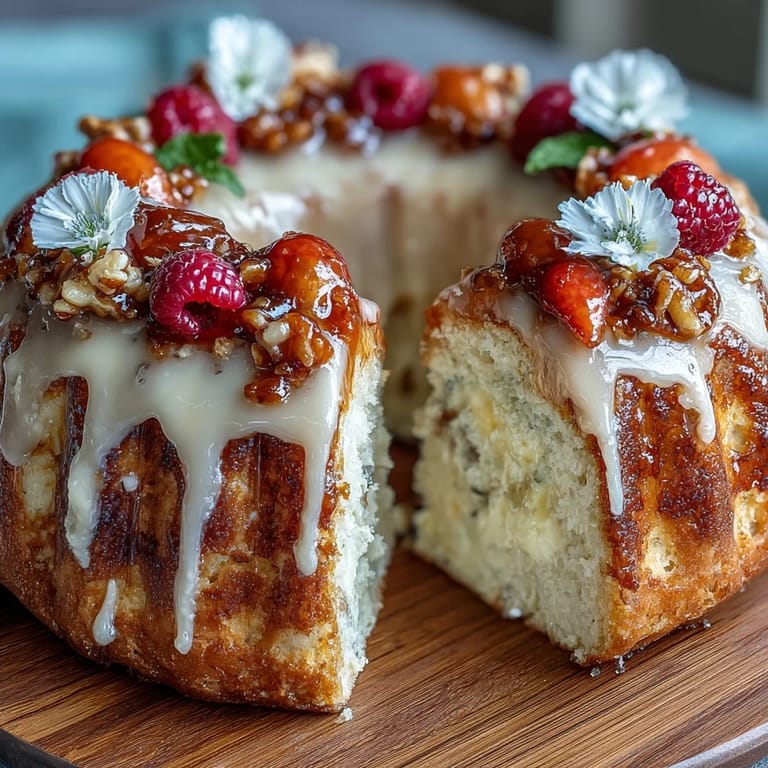
 This cake has become the dessert I reach for whenever someone deserves something that feels personal and special. It's bright, it's not too heavy, and it actually tastes like spring.
Recipe FAQs
- → How do I achieve a moist vanilla crumb?
Use room temperature butter and eggs, cream them thoroughly with sugar until fluffy, and alternate adding dry ingredients with milk to maintain moisture.
- → What is the best way to make lemon curd filling?
Cook egg yolks, sugar, lemon juice, and zest over low heat while stirring constantly until thickened, then whisk in butter for a smooth texture.
- → How should I chill the assembled layers?
Cover the lemon curd layer before placing the top cake layer, then refrigerate the whole cake for at least an hour for clean, even slices.
- → Can I decorate without fresh berries?
Yes, edible flowers or lemon zest curls can add vibrant color and flavor without altering the cake's texture.
- → What alternatives exist for lemon curd to save time?
Store-bought lemon curd can be substituted, maintaining the bright citrus taste with less preparation.