 Pin this
 There's something about a tiered fruit display that stops people mid-conversation at a summer gathering. I discovered this while watching my neighbor arrange mangoes and pineapples on a cake stand before a backyard dinner, and the way guests gravitated toward it before anything else was served taught me something about food beyond flavor. The colors alone—those burnt oranges and sunny yellows against deep purples and ruby reds—create a kind of edible artwork that feels both luxurious and completely unpretentious. What started as a simple way to use up ripe tropical fruit became my go-to move for making any table feel like a celebration.
I made this for my sister's engagement brunch last spring, and watching her light up when she walked into the backyard told me everything. Her fiancé's family is spread across three continents, so there was this unspoken pressure to make something that felt special but not intimidating—something that said celebration without saying try too hard. This arrangement did exactly that, and by the end of the day, people were still talking about how beautiful it looked more than what they ate, which somehow felt like the highest compliment.
Ingredients
- 2 ripe mangoes: The ripeness matters more than perfection—a mango should yield slightly to pressure and smell faintly sweet at the stem end, never rock-hard or mushy.
- 1 large pineapple: Look for one that's golden all over with leaves that pull out easily; pale green ones won't have developed their full sweetness yet.
- 2 kiwis: Their neon green or gold interior provides a shock of color that makes the whole display feel more intentional.
- 1 papaya: Choose one with skin that's mostly yellow with just a hint of green; too green and it tastes faintly soapy, too orange and the flesh becomes grainy.
- 1 dragon fruit: This is the show-off ingredient—vibrant pink skin with that otherworldly speckled interior that makes people ask what it is before they even taste it.
- 1 cup seedless red grapes: Buy these a day ahead and let them chill; cold grapes are unexpectedly refreshing and add tiny bursts of sweetness between the bigger fruits.
- 1 cup fresh strawberries: Hulled and halved, they nestle into gaps on your platter and add a familiar note that grounds the display.
- 1 cup blueberries: These little gems fill visual holes and provide a tangy contrast to the sweeter tropical fruits.
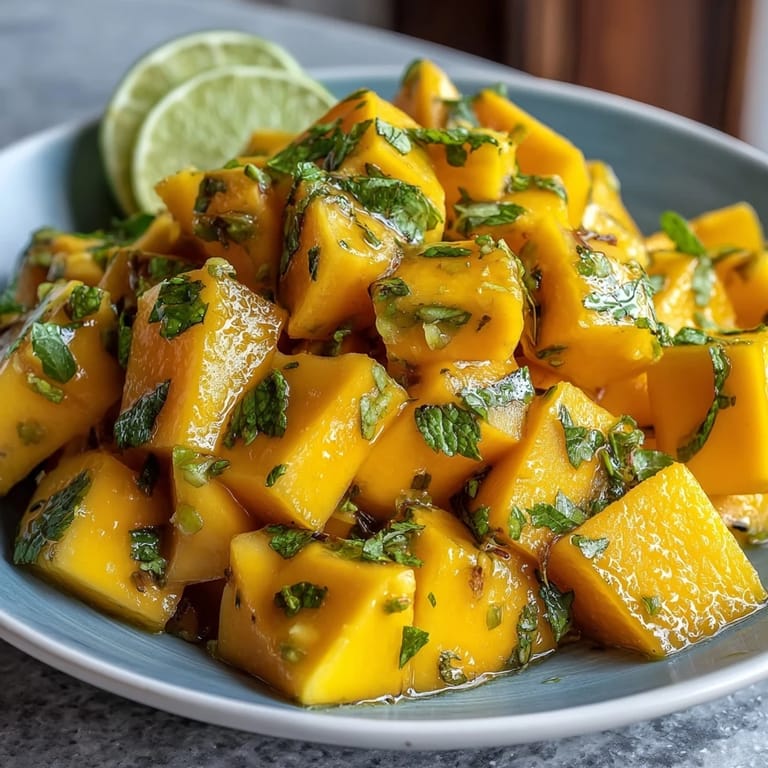
- 1/4 cup fresh mint leaves: Mint isn't just decoration—it releases its smell as people reach for fruit and makes the whole experience feel fresher somehow.
- 1 lime: Cut into wedges rather than slices so guests can squeeze their own if they want that brightness.
- 1 cup vanilla Greek yogurt: The dipping sauce is optional but honestly transforms this from a fruit plate to something more interesting; use coconut yogurt if you're vegan and it becomes creamy in a different, equally good way.
- 1 tablespoon honey or agave syrup: This sweetens the sauce just enough to make it feel intentional without overwhelming the fruit flavors.
- Zest of 1 lime: The oils in the zest are where the real flavor lives, so use a microplane rather than a grater if you have one.
Tired of Takeout? 🥡
Get 10 meals you can make faster than delivery arrives. Seriously.
One email. No spam. Unsubscribe anytime.
Instructions
- Prep your stage:
- Clear your platter or cake stand and do a mental layout of where everything goes—taller fruits in the center, smaller berries filling gaps. Having a plan makes the actual arranging feel meditative rather than chaotic.
- Slice with intention:
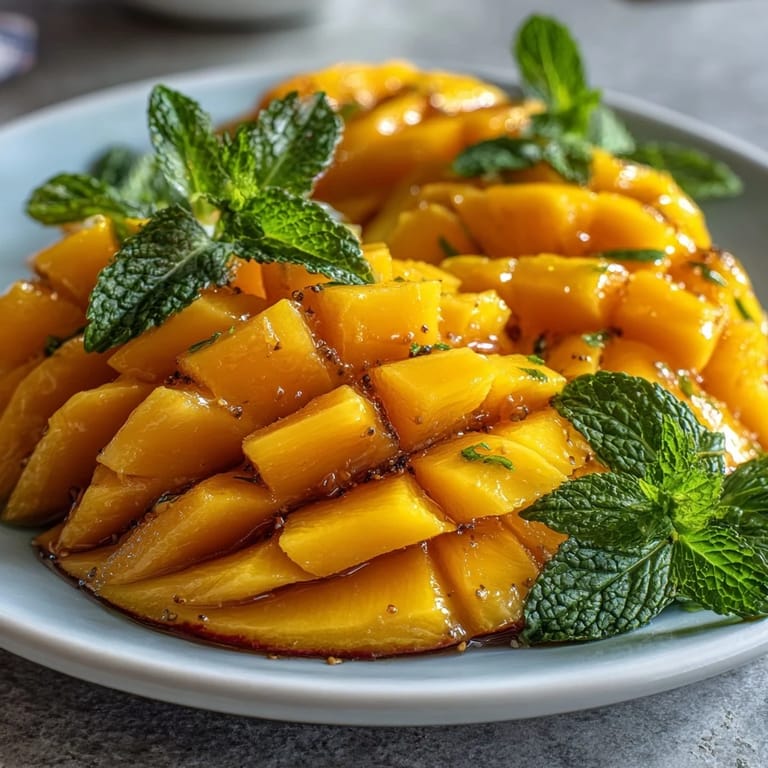
- Angle your knife when cutting mangoes and pineapples so the cut surfaces catch light; a shallow 45-degree angle creates those gorgeous striations that make fruit look almost formal.
- Layer from biggest to smallest:
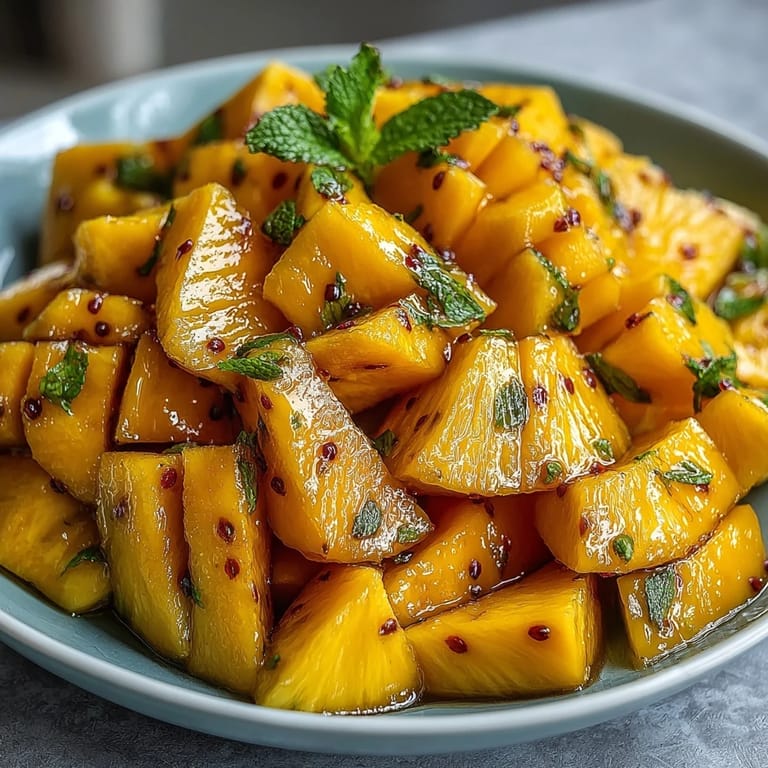
- Start with mango and pineapple as your anchors, fanning them in overlapping patterns like roof tiles. This creates visual rhythm and makes the platter feel organized rather than random.
- Fill the spaces:
- Nestle papaya, dragon fruit, and kiwi around your main fruits, then let berries fill the remaining gaps like precious gems. Step back and look at color balance—you want warm yellows and oranges distributed throughout, not all clustered in one corner.
- Scatter your garnish:
- Tear mint leaves gently and distribute them across the platter just before serving so they stay bright and fragrant; tuck lime wedges into any visual gaps. This final step takes ninety seconds but completes the whole picture.
- Make your sauce if you're using one:
- Whisk yogurt, honey, and lime zest together in a small bowl and refrigerate until service. The lime zest will perfume the yogurt, making it taste more intentional than it has any right to.
- Chill and present:
- Keep everything cool until the moment your guests arrive, then bring it out first so it becomes the visual centerpiece everyone remembers.
 Pin this
 My eight-year-old cousin pointed at the dragon fruit and called it an alien egg, then everyone at the table spent the next fifteen minutes guessing what each fruit was called in different countries. That moment—when food becomes a conversation instead of just something to eat—is when I realized this arrangement was doing something deeper than just looking pretty. It made people curious and present in a way that a bowl of fruit never does.
The Color Game
The secret I've learned is that arrangement matters more than ingredient list. You could use fewer fruits and still create impact by thinking about color placement like you're painting a canvas. Warm tones (mango, papaya, strawberries) should be scattered throughout rather than grouped in one area, with cool tones (blueberries, kiwi) creating little visual breaks. The dragon fruit's hot pink is your wildcard—it draws the eye and makes everything else look intentional by comparison.
Timing and Temperature
There's a narrow window where this display is at its absolute best—cold enough that the fruit is refreshing, but not so cold that it's been sitting out long enough to start weeping condensation onto the platter. I've found that prepping everything two to four hours ahead and chilling the platter itself makes all the difference. Bringing it out fifteen minutes before guests arrive hits that sweet spot where it looks fresh and the fruit is still crisp rather than starting to soften at the edges.
Why This Works for Every Occasion
What I love most is how this scales effortlessly—you can make a small version for a dinner party of four or triple it for a wedding shower, and it always feels elegant without requiring any special skills. The recipe works because it's honest; there's nowhere to hide, so the quality of your ingredients is what shines. The dipping sauce transforms it from simple to sophisticated, but even without it, those perfect ripe fruits arranged with care say everything you need to say about hospitality.
- Swap fruits seasonally without guilt—this works with peaches and berries in summer, pomegranate and citrus in winter, whatever looks beautiful at the market.
- If you're serving this at a warm outdoor event, place your platter on a bed of ice in a larger shallow pan to keep everything properly chilled.
- Make extra lime wedges because guests will squeeze them on fruits more generously than you'd expect, and that brightness is exactly what makes the whole thing sing.
 Pin this
 This display taught me that sometimes the most impressive thing you can do at a table is step out of the way and let beautiful fruit speak for itself. It's become my reminder that food doesn't need to be complicated to be meaningful.
Recipe FAQs
- → How do I keep the fruit fresh and colorful?
Ensure fruits are ripe and freshly cut, then keep chilled until serving to preserve freshness and vibrant colors.
- → Can I substitute fruits based on seasonality?
Yes, seasonal options like passion fruit, star fruit, or melon can be included to maintain vibrancy and flavor balance.
- → What is the best way to arrange the fruits visually?
Place mango and pineapple at the center, fanning slices out, then layer other fruits around with contrasting colors and shapes for appeal.
- → What garnishes enhance the display's aroma and look?
Fresh mint leaves and lime wedges add color and refreshing aroma to the arrangement.
- → Is there a suggested accompaniment for this display?
A chilled sparkling wine, tropical punch, or coconut water pairs well to complement the display's tropical flavors.